

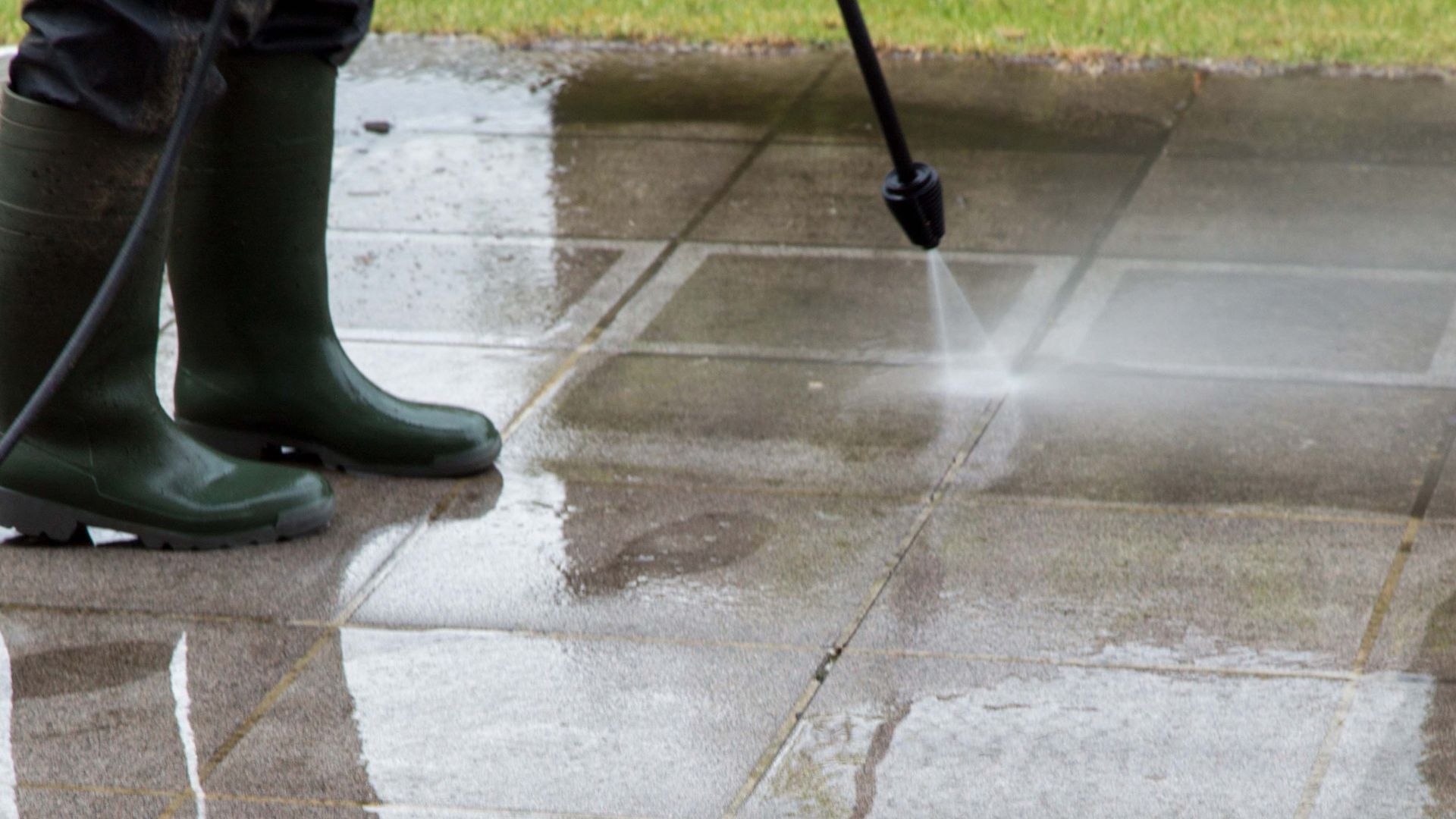
Your driveway takes a beating every single day. Cars drip oil, storms drag in dirt and debris, and Austin’s heat and humidity create the perfect conditions for mold, mildew, and algae to settle in. Over time, all of that buildup does not just look bad – it can actually damage your concrete or brick surface if left untreated.
So how often should you pressure wash your driveway? The short answer is at least once a year, but the real answer depends on a few factors specific to your property and environment.
The General Rule: Once a Year Minimum
Most homeowners benefit from pressure washing their driveway at least once per year. This keeps surface stains from setting in, removes organic growth like algae and mildew before it spreads, and helps maintain the overall curb appeal of your home.
That said, once a year is really the floor, not the ceiling. Depending on your situation, you might need to clean two or even three times annually to keep things looking their best.
Factors That Determine How Often You Should Pressure Wash
Heavy Tree Cover and Landscaping
If your driveway runs beneath trees or sits near heavy landscaping, you are dealing with more than just dirt. Fallen leaves, pollen, and organic debris accumulate quickly and hold moisture against the surface. That trapped moisture accelerates mold and mildew growth, which means you may need to pressure wash every four to six months instead of once a year.
Oil and Fluid Stains
Oil stains are one of the most stubborn problems on concrete driveways. A vehicle that leaks even a small amount of fluid can leave behind dark, embedded stains that may require a cleaning agent and careful pressure washing to remove.
If oil stains are a recurring issue at your home, consider scheduling a mid-year pressure wash in addition to your annual cleaning. Catching stains early makes removal far easier.
Austin’s Climate and Humidity
Living in Central Texas means dealing with long stretches of heat, followed by periods of rain and high humidity. That combination creates ideal conditions for mold, algae, and mildew to take hold on outdoor surfaces. Homeowners in humid climates generally need to wash more frequently than those in dry regions.
Unlike areas that deal with ice and snow, Austin driveways face a different kind of seasonal wear. Spring pollen season and summer storm runoff are two of the biggest contributors to grime buildup in this area.
Driveway Material Matters
Concrete is the most common driveway material and handles high-pressure washing well when the right nozzle is used. Brick driveways require a bit more care – too much pressure or the wrong angle can cause etching or loosen the mortar between bricks.
If you have a brick driveway, lower PSI settings and a wider nozzle are typically recommended. In some cases, a mild detergent – not bleach – is a safer alternative to aggressive pressure on delicate surfaces.
Signs It Is Time to Pressure Wash Right Now
You do not always need to wait for a scheduled cleaning. Here are clear signs your driveway needs attention sooner:
- You can see visible green or black streaks from algae or mold
- Oil or fluid stains have appeared and are spreading
- The surface looks uniformly gray or darkened from dirt accumulation
- Pollen has left a yellow or greenish film across the surface
- The driveway feels slippery when wet, which often signals algae growth
Any one of these signs is a good reason to get ahead of it before the stain or growth becomes harder to remove.
What About DIY Pressure Washing?
Some homeowners rent or own a pressure washer and handle this themselves. That can work well if you are comfortable using the equipment, know how to select the right nozzle, and understand which cleaning agents are safe for your surface.
A few things to keep in mind: bleach should be used cautiously – and never on surfaces near landscaping – because it can damage plants and soil. Vinegar is sometimes suggested as a natural alternative, though it is better suited for light cleaning than heavy stain removal. Always rinse thoroughly with water after using any cleaning agent.
That said, improper technique is one of the most common causes of surface etching, especially on concrete and brick. Holding the nozzle too close or using too many pounds per square inch for the material can do real damage.
When Professional Pressure Washing Makes More Sense
There are situations where hiring a professional is simply the smarter call. If you have stubborn oil stains, significant mold or algae growth, delicate brick surfaces, or just limited time, a professional service brings the right equipment, experience, and cleaning agents to get the job done without risking damage to your driveway.
Professional teams also carry liability insurance, which matters if anything goes wrong during the job – whether that is surface damage or an accidental issue with nearby property.
How to Keep Your Driveway Cleaner Between Washes
Staying ahead of buildup between pressure washing sessions saves you time and extends the results. Sweeping regularly removes loose dirt and pollen before they work into the surface. Addressing oil drips quickly – even with a basic cleaning method using dish detergent and water – prevents stains from setting. Trimming back overhanging trees and shrubs also reduces the amount of organic debris that lands on the surface.
Keep Your Driveway Clean Year-Round
For most Austin homeowners, pressure washing your driveway once or twice a year is the sweet spot. Adjust based on how much tree cover, oil exposure, or humidity-related growth you are dealing with. When the job calls for more than a garden hose and good intentions, the team at Peace Frog Specialty Cleaning is ready to help. Reach out at 512-259-6606 to schedule your pressure washing service and keep your driveway looking its best year-round.