

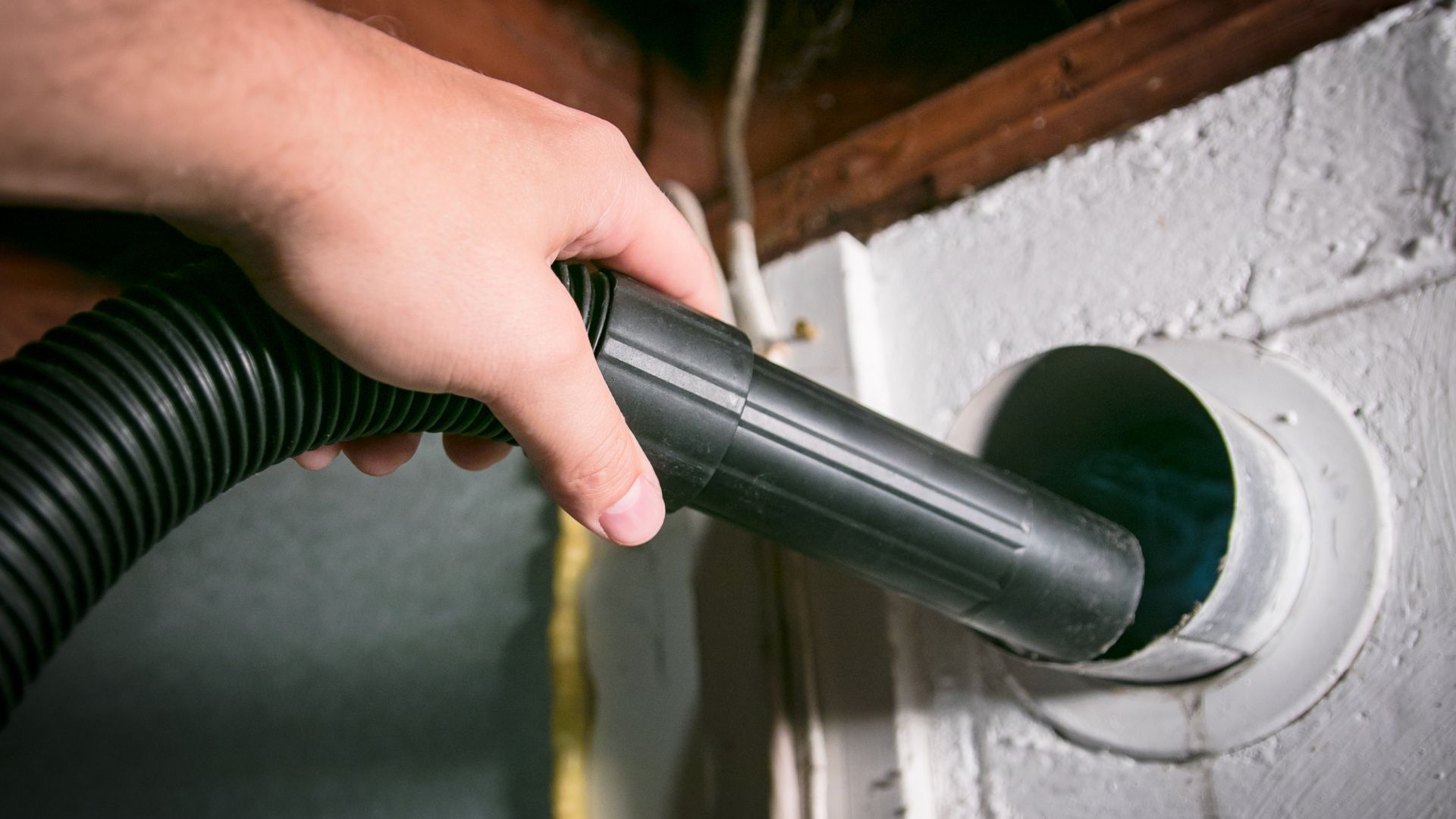
Most homeowners think about cleaning the lint trap before every load. That part is easy. But the vent duct that runs from your dryer through the wall and out of your home? That often gets ignored for years at a time, sometimes indefinitely.
Here is the honest answer: dryer vents should be cleaned at least once a year. That is the minimum. Depending on how often you do laundry, what you wash, and how long your vent run is, you may need it done more frequently than that.
This article breaks down exactly why that annual cleaning matters, what signs tell you it is overdue, and when you should be calling someone sooner rather than later.
Why Dryer Vent Cleaning Is Not Optional
A lot of people assume dryer vent maintenance is one of those “nice to have” tasks, like cleaning behind the refrigerator. It is not. It is a safety issue.
The U.S. Fire Administration has consistently identified clogged dryer vents as one of the leading causes of residential fires in the country. Lint is highly flammable, and when it builds up inside a vent duct over months and years, it creates a serious fire hazard every time your dryer runs.
Beyond fire risk, a clogged vent forces your dryer to work harder than it should. That means longer drying times, higher energy bills, and a shorter lifespan for the appliance itself.
What Actually Builds Up Inside Your Dryer Vent
Lint is the obvious culprit, but it is not the only one. Over time, dryer vents can also accumulate debris from outside, including bird nests, insects, and dirt that enters through the exterior vent cap.
Moisture is another factor. Dryers push warm, humid air through the vent duct. When airflow is restricted, that moisture can condense inside the duct and create conditions where mold can begin to grow.
This combination of lint, debris, moisture, and biological buildup is why professional cleaning is worth scheduling regularly.
How Often Should You Clean Dryer Vents?
The standard recommendation from appliance manufacturers, fire safety organizations, and professional cleaning services is once per year. That is the baseline for a typical household.
However, that is not a one-size-fits-all rule. Your actual cleaning frequency should depend on a few specific factors.
You May Need It More Than Once a Year If…
- You do laundry daily or run multiple loads back to back several times a week
- You have a large family generating a high volume of laundry
- You wash a lot of heavy fabrics like towels, blankets, and bedding, which shed significantly more lint
- Your dryer vent duct is long or has multiple bends, which restricts airflow and traps lint more easily
- You have pets, since pet hair accelerates lint buildup considerably
- Your dryer is a gas dryer, which may carry additional safety considerations around proper venting
If several of these apply to your household, cleaning every six months is a reasonable approach.
Single-Person Households or Light Use
If you live alone and run only a few loads per week, you might be able to stretch the interval slightly. But even in lower-use situations, skipping past the two-year mark is not advisable. Lint accumulates regardless, and the longer you wait, the greater the risk.
Warning Signs Your Dryer Vent Needs Cleaning Now
Do not wait for your annual appointment if you are already noticing these signs. They indicate the vent is restricted and needs attention immediately.
- Your clothes are taking longer to dry. A single cycle used to do the job, but now you are running two cycles for the same load. This is one of the clearest signs of restricted airflow.
- The dryer feels hot to the touch. When heat cannot escape properly through the vent, it backs up into the drum and cabinet of the dryer itself. If the exterior of the machine feels unusually warm during or after a cycle, that is a red flag.
- There is a burning smell. Any burning odor coming from your dryer should be taken seriously. That smell can indicate lint is heating up dangerously close to the heating element.
- The laundry room feels humid or stuffy. If the warm, moist air is not exiting through the vent as it should, it has to go somewhere. You may notice condensation on nearby surfaces or a general sense of humidity that was not there before.
- You can see lint around the exterior vent opening. If lint is visibly collecting around the outside vent flap, it may indicate that the vent is not exhausting air properly.
If any of these are happening in your home right now, do not wait for a scheduled appointment. Reach out to a professional dryer vent cleaning service as soon as possible.
What Happens During a Professional Dryer Vent Cleaning
A thorough professional cleaning is not the same as vacuuming out the lint trap housing yourself. It involves clearing the entire duct run from the dryer connection point to the exterior vent cap.
A trained technician will disconnect the dryer, use specialized brushes and high-powered equipment to dislodge and remove lint and debris throughout the full length of the duct, and verify that the exterior vent cap is functioning and properly sealed.
The process typically takes less than an hour and leaves you with dramatically improved airflow, a safer dryer, and often noticeably shorter drying times from the very next load.
Is DIY Dryer Vent Cleaning Enough?
There are DIY kits available – brush attachments that connect to a drill and extend through the duct. These can help in a pinch, but they have real limitations.
They work reasonably well on short, straight vent runs. For longer ducts or those with bends and turns, a DIY brush may not reach the full length of the duct or may push debris further in rather than fully clearing it. Professional equipment is designed to handle the entire run, regardless of duct length or configuration.
For annual maintenance, professional cleaning gives you confidence that the job was done completely.
Dryer Vent Cleaning in the Austin, Texas Area
If you are in Austin or Leander and cannot remember the last time your dryer vent was serviced, you are probably overdue.
Peace Frog Specialty Cleaning offers professional dryer vent cleaning for homeowners throughout the Austin area. The team uses proper equipment to clear lint and debris from the full length of your vent duct and restore proper airflow to your system.
Peace Frog also brings the same eco-conscious, earth-friendly approach to dryer vent service that it applies to its other cleaning work. No unnecessary chemicals, no shortcuts, and no upselling you on things you do not need.
How to Know When Your Last Cleaning Was
A simple way to track this is to add dryer vent cleaning to the same annual checklist as your HVAC filter changes or smoke detector battery replacements. Some homeowners tie it to a seasonal reminder, such as the start of fall before the winter laundry season picks up.
If you genuinely cannot recall when it was last done, treat it as overdue and schedule it now.
Frequently Asked Questions About Dryer Vent Cleaning
How long does a dryer vent cleaning take?
Most professional appointments take between 45 minutes and an hour, depending on the length and complexity of the vent run.
Can a clogged dryer vent cause carbon monoxide issues?
For gas dryers, yes. A restricted vent can cause combustion byproducts, including carbon monoxide, to back up into the home rather than exit through the duct. This is one more reason why proper venting is a safety priority, not just an appliance maintenance task.
Does cleaning the lint trap replace cleaning the vent?
No. The lint trap catches a large portion of lint from each load, but lint still passes through and accumulates in the duct over time. Cleaning the lint trap before every load is good practice, but it does not substitute for periodic professional duct cleaning.
How much does dryer vent cleaning cost?
Costs vary depending on your location, the length of your vent run, and the service provider. It is generally an affordable service when weighed against the cost of dryer repairs, higher energy bills from inefficiency, or the far greater cost of a preventable fire.
What type of dryer vent duct is safest?
Rigid metal or semi-rigid metal duct is recommended over flexible foil or plastic duct. The rigid material resists crushing, holds its shape, and is easier to clean thoroughly. If your dryer is still connected with the old plastic accordion-style duct, it is worth asking your technician about upgrading it.
Keep Your Dryer Vent Clean and Safe
Dryer vents should be cleaned at least once a year, and more often if your household does heavy laundry or your vent duct is long. It is a straightforward maintenance task that protects your home from fire risk, keeps your dryer running efficiently, and extends the life of the appliance. If you are in the Austin area and your vent is overdue, the team at Peace Frog Specialty Cleaning is ready to help. Schedule your dryer vent cleaning today, or call 512-259-6606 to get on the schedule.